St Albans · serving Hertfordshire, Bedfordshire & Buckinghamshire
0800 048 7633
info@soselectrical.net

An EICR is like an MOT for your electrics — a periodic safety report of your installation.
Are you looking for an electrical safety check, and wondering why you need one?
The main purpose of periodic inspection and testing — now known as an Electrical Installation Condition Report — is to detect, as far as reasonably practicable, and to report on, any factors impairing or likely to impair the safety of an electrical installation. The aspects to be covered include all of the following:
Every electrical installation deteriorates with use and time. Therefore, if the safety of the user(s) is not to be put at risk, it is important that every installation is periodically inspected and tested by a competent person. Indeed, it is recommended in BS 7671: 2018 that every electrical installation is subjected to periodic inspection and testing.
The inspection and testing should be carried out at appropriate intervals in order to determine what, if anything, needs to be rectified in order to maintain the installation in a safe and serviceable condition. The results of the inspection and testing need to be clearly detailed in a report. Any observed damage, deterioration, defects, dangerous conditions and non-compliances with the requirements of the current edition of BS 7671 that may give rise to danger should be recorded and appropriately classified for remedial action.
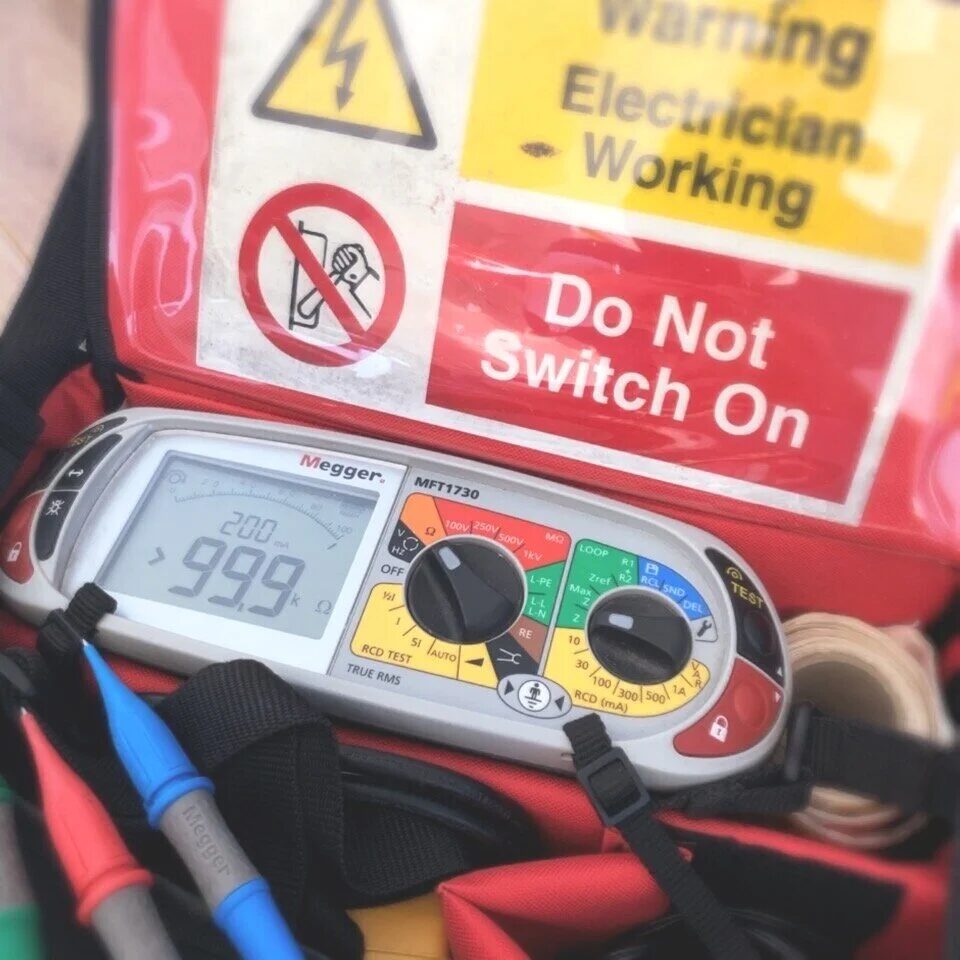
An Electrical Installation Condition Report is, as its title indicates, a report and NOT a certificate for installation work carried out and completed. It provides an assessment of the in-service condition of an electrical installation against the requirements of the edition of BS 7671 current at the time of the inspection, irrespective of the age of the installation.
The report is primarily for the benefit of the installation user / person ordering the work, and of persons subsequently involved in additional or remedial work, or further inspections. It provides a formal declaration that, within the agreed and stated limitations, the details recorded — including the observations and recommendations, and the completed schedules of inspection and test results — give an accurate assessment of the condition of the electrical installation at the time it was inspected.
Below are a few pointers that are included in our in-depth electrical testing and inspecting reports:
Once this has been completed you will be issued with an Electrical Installation Condition Report detailing any issues found during the inspection and testing. We will always give you advice on the costs to remedy any issues found and advise on the most appropriate course of action. If we find something at the time of inspection deemed potentially dangerous or requiring further investigation, we will declare the report as unsatisfactory and look to work with you as quickly as possible to remedy this issue.
Your electrical installation should really be inspected and tested by a competent electrician at a maximum period of every:
These periods depend on the severity of any observations found during an EICR.
We have the experience, knowledge, registration and insurance to carry out a thorough safety inspection of your installation.