St Albans · serving Hertfordshire, Bedfordshire & Buckinghamshire
0800 048 7633
info@soselectrical.net

Electrical safety in the home is of the utmost importance — here is how we keep your household protected.
Electrical safety in the home is of the utmost importance. For your peace of mind we have, and continue to, invest an enormous amount of time and funds ensuring that SOS Electrical Contractors can provide you with the most knowledgeable and professional electrical service possible.
We are not only registered and annually assessed as an Approved Contractor with the NICEIC but also a registered Domestic Installer, along with our lengthy experience in testing and inspecting. This enables us to provide legitimate, detailed, insurance-backed Electrical Installation Condition Reports.
An Electrical Installation Condition Report (EICR) is a very important part of maintaining an electrical installation, but it is often overlooked through a lack of public awareness of the potential dangers of a poorly maintained electrical installation. Its purpose is to ensure that nobody within the household is at risk from electric shock, burns or death.

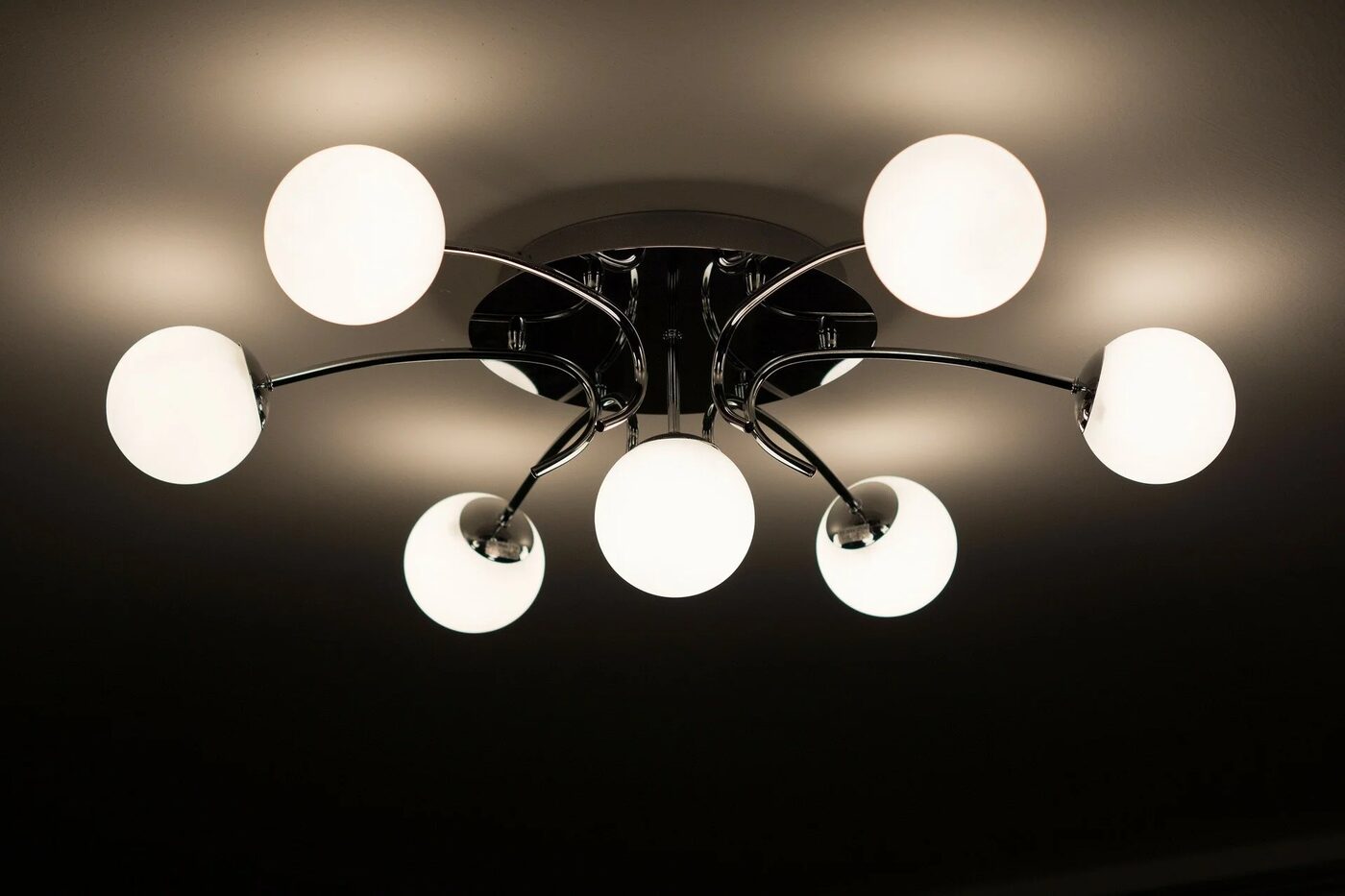
Within the last decade, LED lighting (lamps and fittings that use the Light Emitting Diode technology typically seen in consumer electronics) has grown into the preferred energy efficient lighting option within the home. LED light bulbs and fittings have a huge range of benefits — they’re highly energy efficient and capable of producing a large amount of light at a low wattage.
Because LED lighting uses proven technology and has a simple design, fittings are highly durable and rarely fail. While not all LED light bulbs achieve 50,000 hours of usage, most are supported by confident, effective manufacturer warranties.
On average, UK homeowners save around £80 per year on lighting power consumption by replacing incandescent lighting with LED lighting. If you would like to spend less to light your home, LED lighting is a long term, cost effective, long-lasting and environmentally friendly alternative. Contact us today to discuss options for lighting your home.
Since 2005, all electrical work in dwellings in England and Wales — whether carried out professionally or as DIY, and whether or not the work is notifiable to a building control body — must meet the requirements of Part P of the Building Regulations. In April 2013 the requirements for England were amended. Compliance with Part P is intended to keep you and your family as safe as possible from electrical hazards.
The requirements of Part P apply to new dwellings and to any alterations or additions to the electrical installations of existing dwellings, including full or partial rewires. By law, the homeowner must be able to prove that all electrical installation work meets Part P, or they will be committing a criminal offence. Local authorities have the power to make homeowners remove or alter any work that does not meet the requirements of the Building Regulations.
From April 2013, electrical work in a dwelling, or associated with its surroundings, is notifiable to a local building control body where the work includes:
A few examples of special locations would be a room containing a bath or shower, swimming pool or a sauna heater. All our Part P notifiable work is notified through the NICEIC.
Contact us today for your free no obligation initial quotation or to book an EICR.